

Key2Green — May Edition: Around The Yard, And Ticks Are Here!
Around The Yard
Hello Key2Green family!Key2Green has been working hard for several weeks preparing your lawn for upcoming celebrations — picnics, barbecues, pool parties and cozy evenings around the firepit roasting marshmallows and toasting special occasions like graduations and birthdays.
As I’ve been visiting my customers’ lawns for their second treatment (Step 2), I’ve been amazed by the results I’m seeing! I’ve seen very little fungus outbreaks, which I attribute to my philosophy of not overfertilizing or applying the winterizer fertilizer round too late into the end of the season. According to the research, unused nitrogen sits in the lawn over the winter, allowing fungus pathogens to bloom and create snow mold during the cold months and red thread early spring. I haven’t seen much of that at all, so the Key2Green program is working!
Tick-Tick-Tick — The Ticks Are Waking Up!
Lyme disease rates in deer ticks top 40% early in season
According to scientist Goudarz Molaei, the Yale professor who runs the Connecticut Agricultural Experimental Station’s Tick Testing Program, native black-legged (deer) ticks are testing positive for Lyme disease at higher rates than in previous years. (New Haven Register, 4/14/26) “It’s quite high, and this is just the beginning of the season,” according to Molaei.
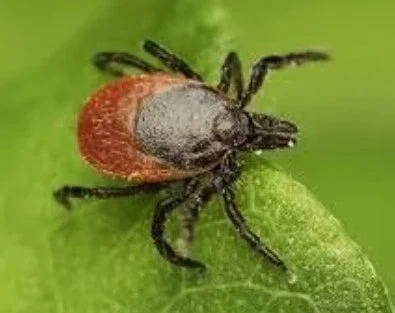
New tick species have appeared over the past decade. This increase in the tick population is fueled by various reasons, including warmer temperatures and the abundance of hosts, like mice and deer. (Oh, by the way – people can be hosts, too!)
Tick bites are most common in spring, early summer and fall, but you can get bitten anytime. Unlike mosquitoes, ticks don’t just bite and run. Ticks bite because blood is their source of food. They bury their heads into your skin, then, feed off your blood for hours, or even days. The bites aren’t always harmful on their own, but while ticks feed on you, they can transmit bacteria, disease, and viruses into your blood.
Spraying your yard for ticks can be worthwhile if you live in an area with a high prevalence of tick-borne illnesses, have pets, a heavily wooded property, shaded shrubbery, woodpiles, and/or tall grass. It can significantly reduce tick populations for several weeks.
As a licensed Connecticut Pesticide Commercial Supervisor, I’m here to answer your questions and address your concerns about spraying for ticks. As a local homeowner, family man, and pet owner, I want to make sure you get all the information you need to decide if treating for ticks is right for you. One of the newest tools in my lawn maintenance “arsenal” is a commercial-grade backpack mist blower. The misting pump allows me to target the trajectory toward surfaces or areas with relative accuracy. This provides consistent coverage where overspray could harm surrounding vegetation and pollinators — I always exercise caution around our beneficial bees!
Give me a call at (203)499-9807 or email me at jay.pompano@gmail.com for more info about tick control and get a free estimate for tick-control services. You can also visit my website, www.key2green.net to learn more about Key2Green, my fertilization program, and my satisfied customers!
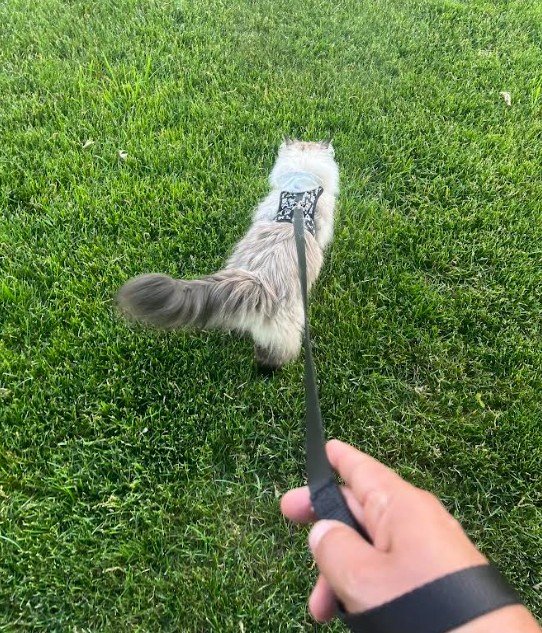
By the way, that’s a picture of me and one of my two cats who INSIST being walked in the lawn EVERY evening! My lawn is safe for them, and so should yours be!
As always, thank you for trusting Key2Green with your lawn. I truly appreciate your continued support and look forward to Unlocking Your Lawn With The Key2Green!
Feel free to reach out to me with questions at any time:
Call/Text me directly: 203-499-9807
Email me: jay.pompano@gmail.com
Visit the site: key2green.net
Free same-day estimates
Warm regards,
Jay Pompano
Key2Green
